

Archtop Guitar Buying Guide for Serious Players
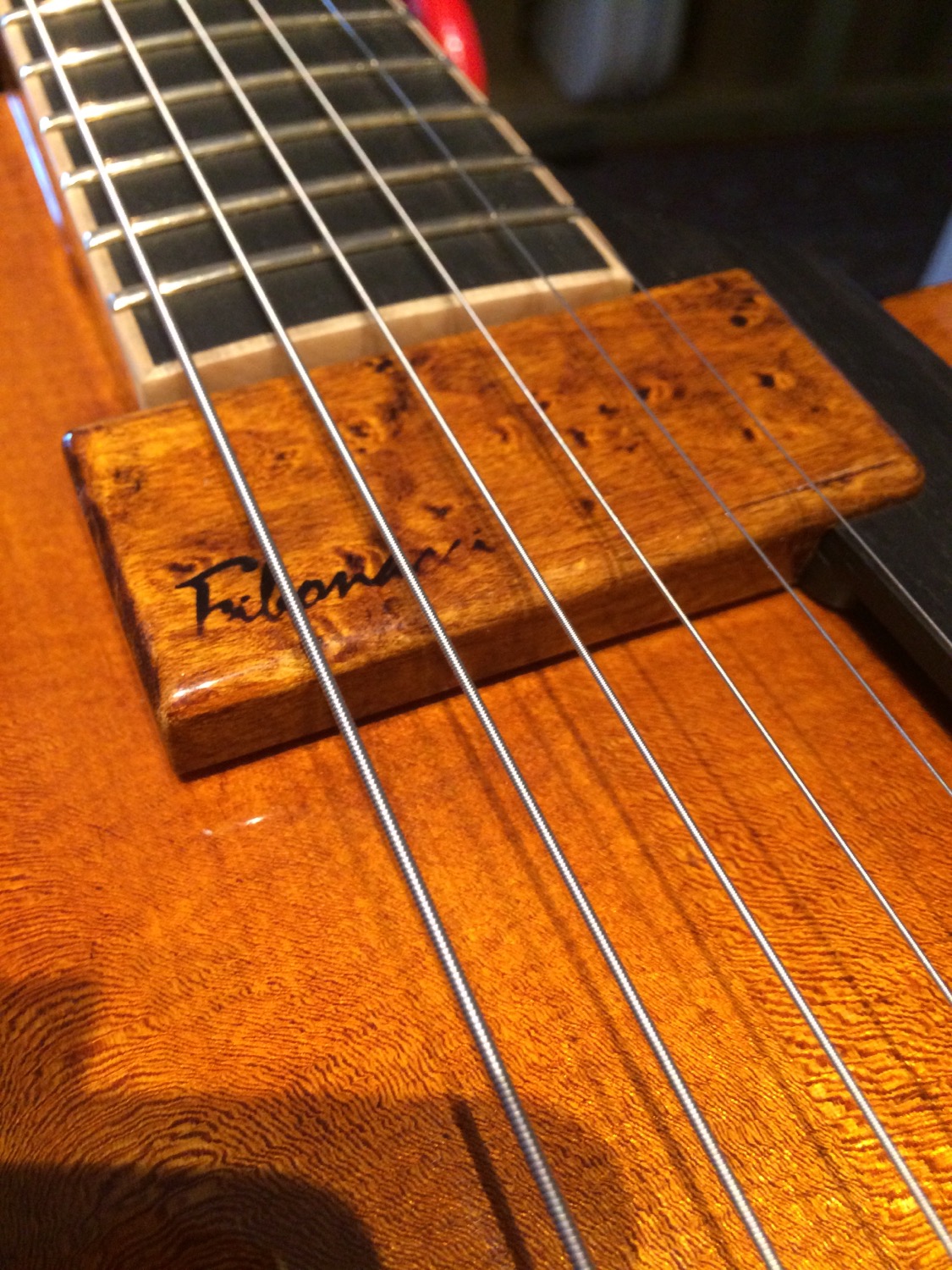

The wrong archtop will tell on itself within minutes. The bass can sound woolly, the treble brittle, the top unresponsive, or the amplified voice strangely detached from the acoustic character of the instrument. A proper archtop guitar buying guide should therefore begin where experienced players actually make decisions - not with cosmetics, but with response, structure and the quality of the build.
Archtops ask more of the maker than many other guitar types. They are not simply hollow bodies with f-holes. Their voice depends on the relationship between the carved or pressed top, the back, the bracing, the neck set, the bridge, the tailpiece and the hardware mass. Small differences in execution produce very different results. If you are buying at the higher end of the market, the question is not whether the guitar looks impressive. It is whether every construction choice serves the instrument musically.
What this archtop guitar buying guide should help you judge

A serious purchase deserves a more disciplined approach than a quick play in a showroom. The best archtops reveal themselves through balance, projection, note separation and feel under the hands. Theyshould also hold their integrity over time, which means workmanship, material selection and setup standards matter just as much as first impressions.
For some players, the right archtop is a dry,articulate acoustic machine for swing and chord melody. For others, it is an electrified instrument with warmth, bloom and exceptional feedback control.Those are not the same brief. Before comparing models, decide whether you are primarily buying for acoustic projection, amplified jazz performance, recording versatility, or collection-grade craftsmanship. Many disappointments begin when a player expects one instrument to excel equally in every role.
Carved top or laminated top

This is one of the first decisions worth making because it shapes nearly everything that follows. A carved archtop top, particularly when paired with careful graduation and responsive bracing, tends to offer greater complexity, stronger acoustic identity and a more immediate connection between right hand touch and note formation. The best examples feel alive. They reward nuance and expose poor technique just as readily as goodtechnique.
A laminated archtop usually delivers a different set of strengths. It can be more controlled at stage volume, more resistant to feedback and often slightly more focused in amplified settings. That makes it useful for players whose world is primarily amplified jazz rather than acoustic projection. There is no hierarchy that applies in every case. There is onlysuitability.
If you play unplugged frequently, record withmicrophones, or care deeply about the acoustic voice of the instrument, a carved top is often where the most compelling choices lie. If your priorities are stage reliability, punch and amplified clarity, a fine laminated instrument may make better sense.
Tonewoods, hardware and why specification alone is not enough

Buyers often fixate on species names, but wood choice only matters in relation to how the guitar is built. European spruce, maple, ebony and similar traditional materials are respected for good reason, yet no specification list can guarantee excellence. Selection, seasoning, carving and assembly are what turn raw material into an instrument of consequence.
A good top should feel proportionate to the guitar's intended voice. Too stiff and it may remain tight and reluctant. Too loose and it can lose composure, particularly in the low end. Likewise, theback and sides should support the tonal aim rather than simply satisfy expectation. Dense, well-chosen maple can contribute focus and definition, but again, execution matters more than brochure language.
Hardware deserves the same scrutiny. Bridge quality of materials and fit, tailpiece design, fretwork, nut cutting and quality of tuners all affect stability and feel. On a premium instrument, you should expect these details to be of the highest quality, not left for a guitar tech to correct after purchase. High-grade components are valuable, but only when they are fitted with precision.
Pickups and the amplified voice

Many buyers make the mistake of judging an archtop pickup as if it were separate from the guitar. In reality, the pickup should translate the instrument rather than overwrite it. A floating pickup can preserve more of the top's acoustic behaviour, while a mounted humbucker may offer a denser, more familiar amplified response. Neither is automatically superior.
If your playing is rooted in traditional jazz phrasing, chord melody or detailed single-note work, listen for note shape rather than sheer warmth. The best amplified archtops retain articulation at lower dynamics and maintain separation in extended chords. If the pickup produces a pleasingly dark tone but strips away the guitar's character, that is not refinement. It is concealment.
Test clean, and test at realistic volume. A premium archtop should not need excessive EQ to sound convincing. The guitar's amplified voice ought to feel like an extension of its construction, not a corrective measure.
Neck profile, scale length and setup

An archtop can be beautifully built and stillwrong for you. Neck shape, scale length, nut width, fret size and setup allinfluence whether the instrument invites serious playing. This is particularly important for experienced musicians with established technique. If a guitarfights the hand, admiration will not turn into ownership satisfaction.
Longer scales often bring added tension, snap and clarity. Shorter scales can feel more relaxed and may suit players who prioritise ease under complex voicings or lyrical single-note lines. Neither choice is abstract. It affects attack, intonation feel and the way the guitar responds across the fingerboard.
Setup is equally revealing. On a high-end archtop, fret dressing should be meticulous, action should feel deliberate rather than generic, and the bridge should be properly fitted to the top. Poor setup on a boutique instrument is not a minor inconvenience. It suggests weak standards somewhere in the chain.
Signs of serious craftsmanship

The closer you look, the more obvious true workmanship becomes. Clean binding work, accurately cut f-holes, neat internal construction, properly seated frets, consistent finish application and a precise neck joint all speak to discipline at the bench. None of these are glamorous talking points, but they are often what separates a guitar built for admiration from one built for a lifetime of use.
Finish deserves balanced judgement. Thin nitrocellulose lacquer or carefully applied oil finishes can allow the instrument to remain resonant and tactile, but finish choice must suit the build and intended result. What matters is control. A finish should protect the instrument and honour the wood, not smother detail or create an artificial sense of luxury.
This is also where boutique manufacturing canjustify itself. Low-volume production, close oversight and hands-on voicingmake a difference when the aim is not mere consistency, but excellence.
Buying for performance, collecting or both
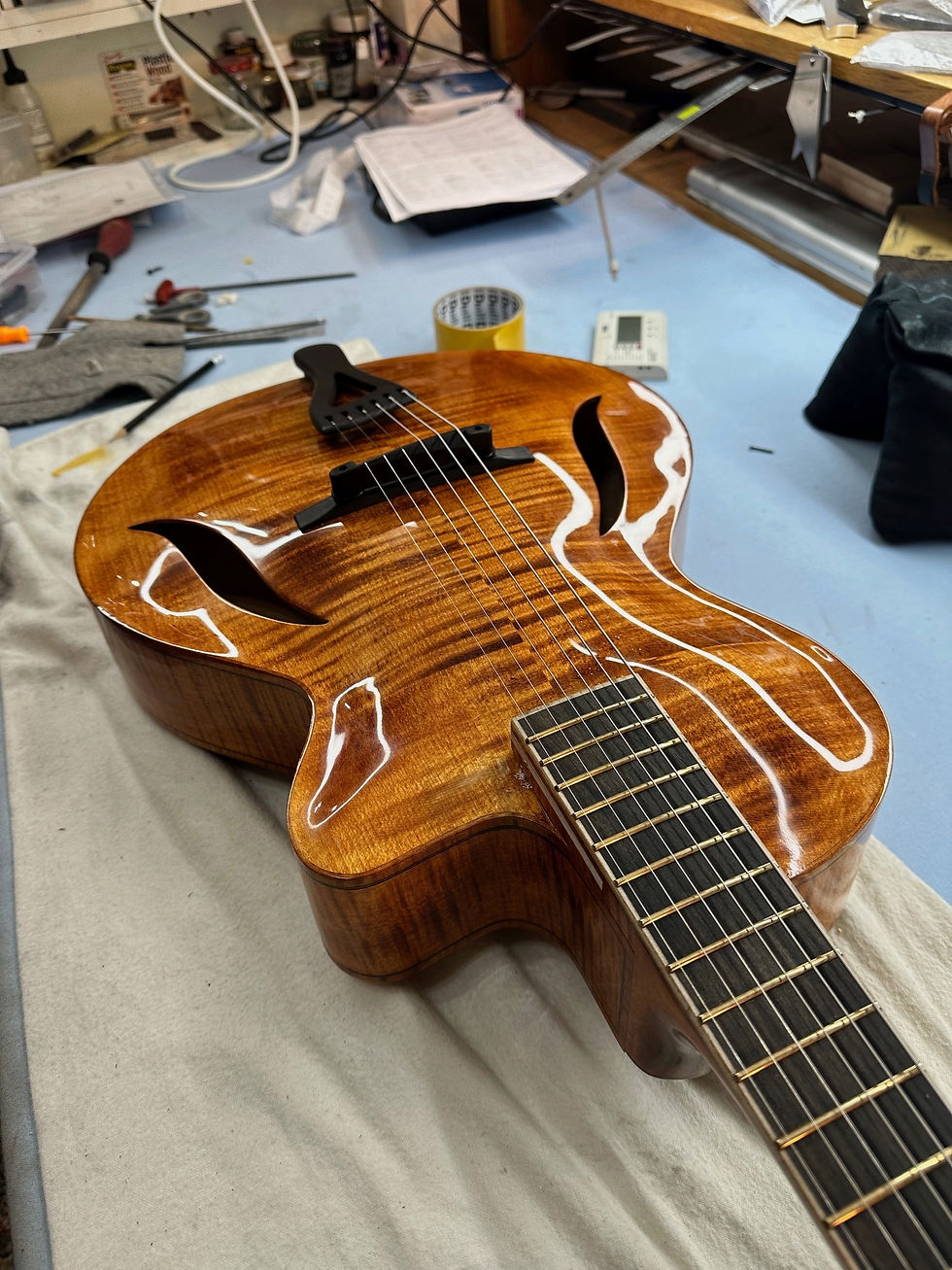
Not every premium archtop is bought for the same reason, and it is wise to be honest about your own priorities. A working musician may prioritise reliability, stage performance and tonal predictability. A collector may place more emphasis on rarity, provenance, finish detail and maker reputation. The most demanding buyers usually want both.
If long-term value matters, look beyond ornament and ask harder questions. Is the maker known for a defined standard of build? Are the materials and components transparently sourced? Does the instrumentfeel like part of a considered range, or like an isolated attempt at luxury? Prestige is strongest when it rests on substance.
For that reason, many discerning buyers prefer workshops with complete control over design, manufacture and final setup. Where the process is coherent, the instrument tends to be coherent as well. Fibonacci Guitars is one example of that philosophy - a workshop-led approach where craftsmanship, material quality and real-world performance are treated as inseparable.
What to do before you commit

Genuine archtop builders will be confident and transparent about their work. When buying remotely, request clear information on specifications, and a realistic account of the guitar's acoustic and amplified character. Request detailed photographs of past projects. A high-end seller should be able to describe the instrument with precision, not sales language. Ask about construction, not just specification. Where materials are sourced? How the carved plates will be voiced? What finish will be used and why? Who performs final setup? These questions are not academic. They tell you whether the maker understands the instrument at a structural level.
The right archtop does more than deliver a pleasant first impression. It keeps offering depth as your ear becomes moredemanding. Buy the instrument that still feels convincing after the excitement settles, because that is the one you will continue reaching for years from now.


Check out our latest guide for some awesome tips to help you succeed. We hope these simple steps make your project even better today.