

Archtop Guitars for Collectors: What Matters
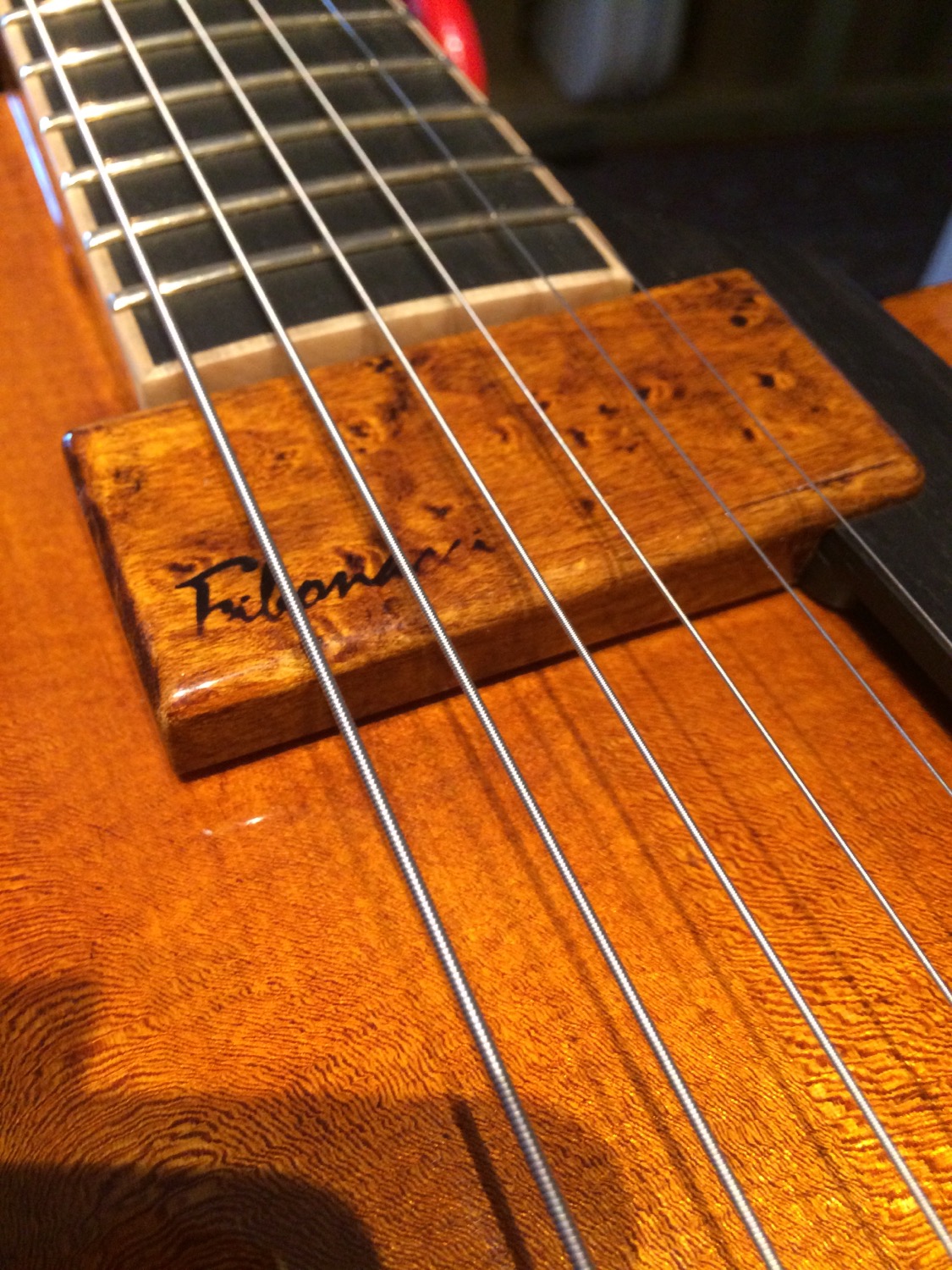

A collector can spot the difference within seconds. The carve of the top and back plates, the response of the guitar under a light touch, the way the finish settles into the timber rather than sitting on top of it - these are not decorative details. They are the evidence of how an instrument was conceived and built. That is why archtop guitars for collectors occupy a very particular place in the market. They are judged not only by reputation, but by workmanship, originality, rarity and the quality of the musical result.
For the serious buyer, collecting archtops is not simply a matter of chasing famous names or headline prices. The most rewarding acquisitions tend to be instruments that combine tonal authority with clear provenance, disciplined construction and the sort of craftsmanship that does not emerge from scaled manufacturing. A fine archtop is both a performance tool and a lasting object of value, and the balance between those two roles deserves careful scrutiny.
Why archtop guitars for collectors are judged differently

A solid body can be collectible because it is culturally iconic. An archtop is usually collectible for more exacting reasons. The build is more exposed. Carved plates, neck geometry, acoustic response, hardware integration and finishing standards all reveal themselves quickly, especially to an experienced hand.
Collectors also tend to look beyond cosmetic appeal. A visually striking instrument may still fall short if the top is overbuilt, the neck set is imprecise or the hardware feels like an afterthought. By contrast, a superb archtop often shows its worth in restraint. The lines are correct, the timber choice is intelligent, the carve is balanced, and the instrument produces a voice that feels alive rather than merely amplified.
This is where the category becomes especially demanding. With archtops, defects in concept and execution are difficult to hide. That makes quality easier to recognise, but it also means the buying standard should be higher.
What gives an archtop genuine collector appeal

Collector appeal begins with construction. Carved soundboards and backs remain one of the strongest indicators of serious intent, particularly when the maker understands how graduation, stiffness and responsiveness interact. Laminated instruments have their place, especially in certain amplified jazz contexts, but from a collector's perspective a properly carved archtop often carries a different level of esteem.
Material selection matters just as much. Well-chosen spruce and figured maple are not important because they look expensive, but because they behave predictably when shaped by an experienced luthier. Stability, resonance and structural integrity all begin there. The same applies to neck timber, fingerboard quality and the small but critical details such as fretwork, nut cutting and bridge fitting.
Finish is another point where experienced collectors separate rhetoric from substance. A thin nitrocellulose lacquer or an expertly executed oil finish can allow the instrument to breathe and age with grace, whereas a heavy finish can suppress response and flatten character. There is no single correct answer in every case, but there is certainly a wrong one when the finish is used to mask indifference in the build beneath.
Then there is originality. In vintage circles, replaced hardware, altered neck joints, refinishing and non-original electronics can all affect collectibility. In contemporary boutique instruments, originality is less about untouched age and more about design integrity. Does every component belong? Was the guitar specified as a coherent whole, or assembled from fashionable features with no underlying discipline?
Provenance, documentation and maker reputation

Collectors are rarely buying timber alone. They are also buying certainty. That means provenance, workshop records, serial documentation, original specification sheets and confidence in the maker's standards all have real weight.
A respected luthier or boutique workshop builds value over time through consistency. If their output is low-volume, fully controlled and clearly documented, collectors have a stronger basis for trust. This is one reason the upper end of the archtop market rewards makers who refuse scaled compromises. Limited production does not guarantee quality, but genuine hands-on oversight usually leaves a visible trace in the final instrument.
For newer instruments, provenance can be especially powerful when supported by direct workshop knowledge, artist use or serious dealer representation. The point is not marketing theatre. It is reassurance that the instrument was built, sold and supported within a credible framework.
Vintage versus contemporary archtops for collectors

There is no universal answer here, and serious buyers should distrust easy formulas. Vintage archtops offer history, scarcity and in some cases unmatched prestige. They also bring risk. Neck resets, repaired cracks, changed tailpieces, worn frets and uncertain storage histories are common realities. A vintage instrument can be magnificent, but condition and originality often decide whether it remains a collector's prize or becomes an expensive compromise.
Contemporary boutique archtops present a different proposition. They may lack the long historical arc of a pre-war or mid-century example, yet they can offer superior precision, cleaner provenance and greater structural confidence. For many collectors, especially those who also play regularly, that balance is attractive. A modern hand-built archtop can deliver exclusivity, refined materials and performance without the accumulated liabilities of age.
This is also where the individual maker matters more than the era. A contemporary instrument from a disciplined workshop with carved construction, carefully selected components and a clear design philosophy may be the stronger acquisition than a vintage guitar carried largely by nostalgia.
Condition is not the same as desirability

A collector-grade archtop should, of course, be in excellent condition. But condition alone is not the whole story. Some instruments survive cleanly because they were never especially compelling to play. Others show honest use because they inspired years of serious music making.
The key is understanding what kind of wear you are seeing. Light lacquer checking, mild hardware patina and careful fret wear may be entirely acceptable, even desirable, if the guitar remains structurally sound and original. By contrast, repaired headstock breaks, distorted tops, unstable neck angles or poorly executed electronic modifications deserve closer scrutiny.
The best instruments often show a sort of composure. They have been played, cared for, maintained correctly and left fundamentally true to the maker's intent.
How to assess long-term value in archtop guitars for collectors

Value in this segment is rarely driven by trend alone. It tends to rest on scarcity, maker reputation, build quality, originality and whether the instrument stands up musically. Collectors who buy solely on hype often discover that market excitement fades faster than craftsmanship.
A more reliable approach is to ask a stricter set of questions. Is the maker's output limited enough to remain distinctive? Is there consistency across the body of work? Does the instrument represent a notable specification, a significant period in the workshop's development or a particularly successful execution of the form? And perhaps most importantly, would the guitar still command respect if no one were discussing prices?
That last question matters because truly collectible archtops earn admiration at close range. Their arching, voicing, setup and finishing continue to impress long after novelty disappears.

For buyers considering newer high-end instruments, this is where boutique workshops hold particular interest. A maker with a clear identity, uncompromising standards and low-volume production may offer stronger long-term appeal than a larger name producing in broader numbers. In that respect, a brand such as Fibonacci sits in a category collectors increasingly watch closely - not because of mass recognition, but because serious craftsmanship tends to outlast fashion.
Buying with your ear, your eye and your judgement

No collector should ignore tone. Even when a guitar is acquired partly for rarity or workshop significance, the musical result still matters. An archtop that looks exceptional but responds stiffly can feel hollow as an acquisition. The best examples have authority before they are plugged in. Notes separate cleanly, chords retain shape, and the instrument offers that subtle resistance and release which experienced players recognise immediately.

Visual judgement matters too, but it should be disciplined. Figure alone does not make a great back. Ornament alone does not make a refined design. Look for proportion, clean binding work, accurate joinery, tasteful appointments and hardware that complements the instrument rather than fighting it.
Above all, collect with patience. The right archtop rarely needs to shout. It tends to reveal itself through coherence - material, design, touch, sound and finish all working together without compromise. When an instrument reaches that standard, it offers more than scarcity or prestige. It offers permanence, and that is what serious collectors recognise.


Comments