

How to Build an Archtop Guitar
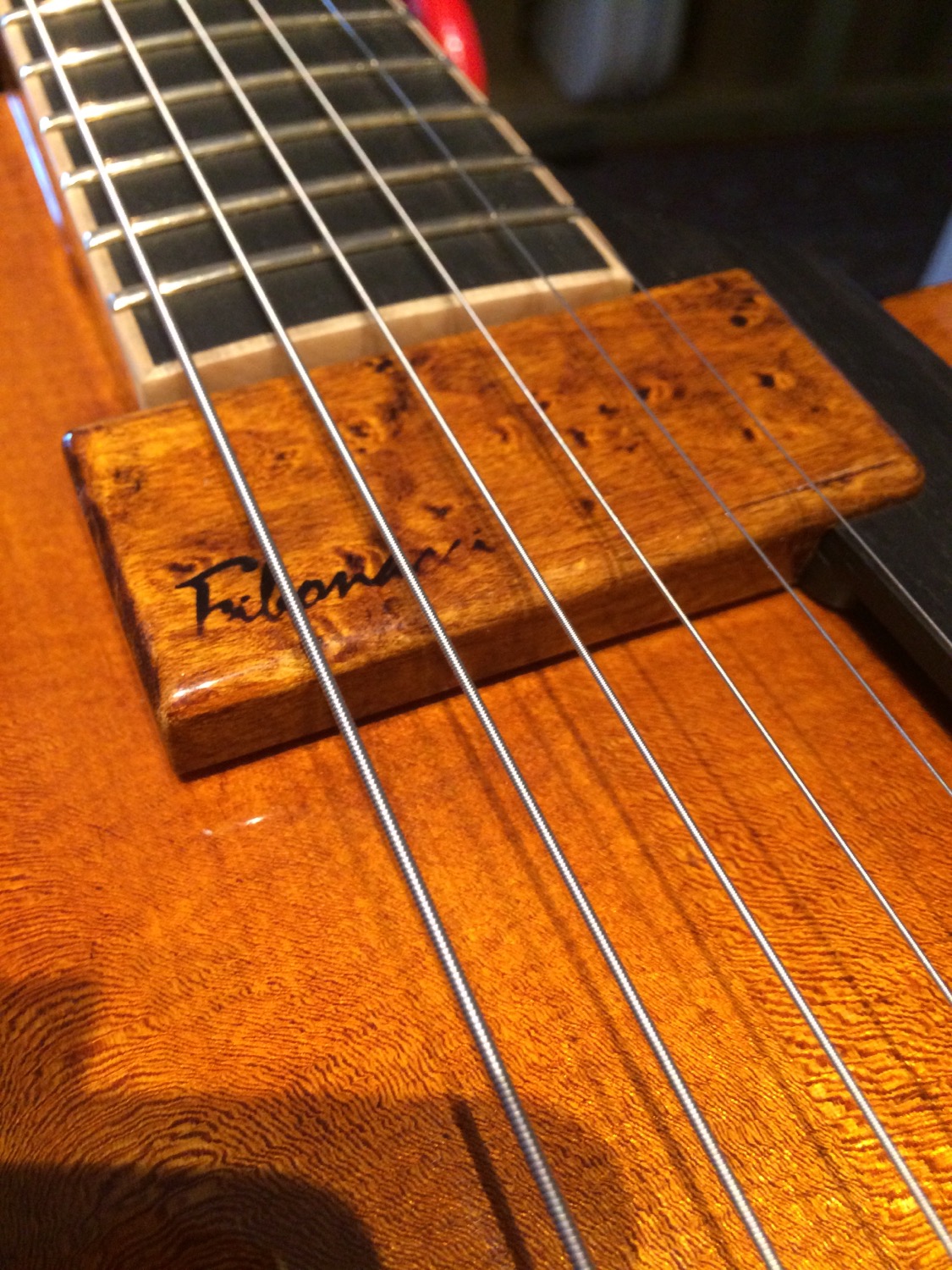

Building an archtop is less forgiving than a flat-top or a solid body guitar. Every decision is interconnected. The arching of the plates affects stiffness, the stiffness affects the bracing, the bracing affects the response, and the neck angle, bridge height and top geometry all influence whether the guitar becomes lively and articulate or merely attractive. Building and archtop guitar is not just a matter of assembling parts. It is the manipulation and controlling of the overall acoustics of the instrument.
Building an archtop guitar from the inside out

If the goal is to produce a serious instrument rather than a workshop exercise, the process should be approached from structure first, aesthetics second. Beautiful tone woods and fine appointments matter, but they are worthless if the guitar does not project properly, intonate cleanly or remain stable under string tension.
The body design, lower bout width, rim depth, cutaway style, neck joint, and scale length, and intended use all need to be established early. A compact 15-inch jazz box built for amplified clarity will not be voiced like a larger acoustic archtop meant for stronger unplugged projection. Even before choosing the materials, an experienced builder decides what sort of attack, sustain and dynamic ceiling the instrument should offer.
Wood selection is about behaviour, not romance

Archtops reward disciplined tone wood selection. The top is typically spruce, chosen for its stiffness-to-weight ratio and capacity for carved tuning. European spruce and high-grade Alpine material remain particularly respected for their responsiveness and refinement. Maple is the traditional choice for back, sides and neck because it reflects energy efficiently, supports note definition and offers the structural reliability an archtop requires.
This is sometimes where novice builds go astray. Aesthetics in the tone wood is often prioritised over function. Highly flamed maple can be visually exceptional, but if the set is too heavy or poorly quartered, the guitar will tell you so when it comes to performance. Likewise, a top billet with attractive grain means very little if the stiffness is inconsistent across the plate. Premium archtop building demands hand selection with the final acoustic result in mind.
Carving defines the instrument

If there is one stage that separates an authentic archtop from an approximation, it is the carving of the plates. Pressed laminates have their place, particularly in certain amplified contexts, but a carved top and back archtop creates a different level of nuance, headroom and tactile response.
The arch must not simply look elegant. It has to distribute load, resist collapse, and move in a controlled way when driven. Too stiff and the guitar can become tight, dry and reluctant to resonate sufficiently. Too thin and it may produce pleasing immediacy at first, then lose composure, distort under bridge pressure or become unstable over time. Thickness graduation across the top and back is therefore one of the most consequential judgements in the whole build.
There is no universal map that guarantees success. Two spruce tops may require to be carved to different final thicknesses. This is why high-level archtop work remains rooted in touch, tap response, deflection testing and accumulated judgement. CNC can assist repeatability and productivity, but it does not replace the builder's ear and hand. Final grading and tuning will always require years of experience.
Bracing, f-holes and the character of response

Once the top is carved, the bracing strategy begins to define the guitar's personality. Parallel bracing generally favours punch, directness and strong note separation. X-bracing often introduces a broader, slightly more complex acoustic spread with a softer edge. Neither is automatically superior. It depends on whether the instrument is intended for traditional jazz comping, single-note articulation, or a more open crossover voice.
Cutting the f-holes is another moment where aesthetics and acoustics meet. Their placement and size influence the top plate's flexibility and the way air moves through the body. Remove too much material in the wrong area and the top can lose strength where it is needed most. Keep them too conservative and the instrument may feel constrained. On a fine archtop, the f-holes are not decorative interruptions. They are part of the tuning.
Rim assembly and neck geometry

The sides are bent to shape and joined to the tail and neck blocks with kerfing that create a secure gluing surface for the plates. Precision here matters because slight asymmetry in the rim can complicate everything that follows. Clean body geometry is not glamorous, but it is essential.
The neck set is even more critical. Archtops typically use a floating bridge, which means the neck angle must anticipate the correct bridge height and downward pressure on the top. A poor neck set can leave the bridge too low to drive the plate effectively or too high to remain stable and comfortable. Either way, the instrument is compromised before it is even strung.
A well-built archtop usually carries a neck angle that looks dramatic to players accustomed to flat-top guitars. That geometry is not excess. It is what allows the carved top, floating bridge and tailpiece system to function as intended.
Fingerboard, fretting and feel

Because serious archtop players are sensitive to articulation, the playing surface must be exact. Fingerboard planing, radius consistency, fret seating and fret finishing all have audible consequences. Imprecise fretwork blunts the sophistication of an otherwise excellent build.
Ebony remains the benchmark fingerboard material for good reason. It is stable, dense and clean under the hand. Combined with a properly carved neck profile, it gives the player the sense of authority expected from a premium instrument. Neck shape itself is not merely a comfort decision. It affects left-hand fatigue, vibrato control and confidence across long sessions.
Finishing and setup

The truth is that an archtop is not finished when the woodwork is done. It is only beginning to reveal itself. Binding, purfling and inlay can be executed to a high standard, but they should never interfere with the acoustic priorities of the instrument. Decorative work has to serve the whole, not distract from it.
Finishing is especially important. Polyester two-pack lacquer systems, found on less expensive guitars, can inhibit resonance and flatten the immediacy that carved instruments depend on. Thin nitrocellulose lacquer, properly applied and properly cured, remains the respected choice because it protects the instrument while allowing the plates to respond more freely. Oil finishes can also work in certain contexts, though they demand equally careful judgement about durability and presentation.

The setup stage is where craftsmanship becomes measurable. The floating bridge must be profiled to fit accurately to the arched top. Nut slotting must be clean and appropriately cut for the intended string gauge. Tailpiece design and mass will influence feel and attack. Pickup choice, if the guitar is to be amplified, introduces another layer of compromise. A floating neck pickup preserves more of the top's acoustic freedom, while a built-in pickup may offer different practical advantages. Again, it depends on the brief.
Testing matters as much as building

A premium carved archtop should be evaluated in the conditions where it will actually be used. It needs to be played acoustically, through an amplifier, under a light touch and a firm one, in first position and high up the neck. Notes should bloom evenly, chords should retain separation, and the instrument should remain composed across dynamic changes.
This is where low-volume specialist makers hold an advantage. A workshop that listens critically and adjusts accordingly will produce better instruments than one that simply follows a recipe. At Fibonacci Guitars, that standard of evaluation is inseparable from the build itself, because performance is the point of the exercise.
The trade-offs that define a serious build

Anyone asking how to build an archtop guitar should understand that there is no perfect specification, only deliberate choices. A lighter top may feel wonderfully alive but can narrow the margin for long-term stability. A heavier build may offer durability and control but sacrifice openness. A slim neck may appeal immediately in the hand, while a fuller carve often proves better over extended playing.
The same applies to visual appointments. Multi-ply binding, figured maple and elaborate inlay can be exquisite, but they should not consume the time and budget that ought to go into plate tuning, fretwork and final setup. On a true performance instrument, luxury follows discipline.
That is why the best archtops are not accidental successes. They are the result of restraint, judgement and an unwillingness to accept mass-production shortcuts where they do not belong. If you want to build one properly, start by respecting the fact that every millimetre matters. The instrument will hear the difference long before the player does.
If you build an archtop with that level of care, you will have created an instrument with authority that keeps on giving for decades.


Comments