

Are Archtops Good for Recording? A Studio View
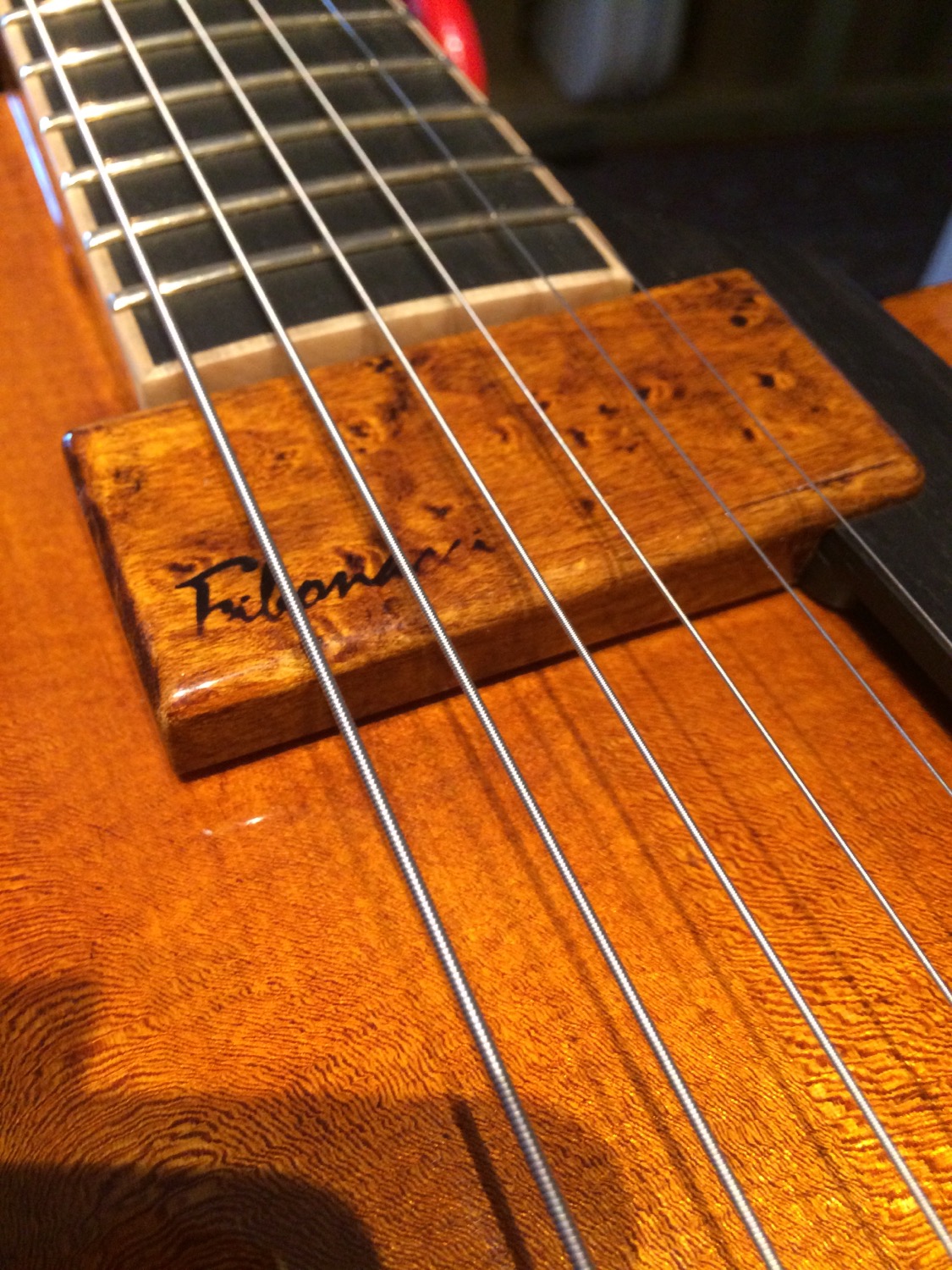

A well made archtop does not merely sit in a recording - it establishes a character. So, are archtops good for recording? Absolutely, provided the player, engineer and instrument are chosen with the part in mind. Their value lies not in being a universal substitute for a solid-body guitar, but in bringing dimensionality, articulation and a remarkably human response to a track.
For jazz, blues, soul, country, cinematic music, singer-songwriter arrangements and finely detailed pop productions, an archtop can supply a voice that is difficult to imitate convincingly by other means. Its performance is shaped by the carved top, the air within the body, the quality of the pickup, the strings and the way it is amplified. These are instruments of nuance. In the studio, that nuance is their advantage.
Why archtops record with such authority

An archtop is an acoustic structure before it is an electric guitar. Even when fitted with a floating or body-mounted pickup, its carved soundboard, arched top and back and carefully graduated thicknesses influence the note from the instant the string is struck. The result is often a quick, articulate attack followed by a rounded, complex decay.
That quality translates beautifully under a microphone or through a well-voiced amplifier. Chords retain separation rather than collapsing into a wash of midrange. Single-note lines can have a vocal centre, with enough woodiness around the note to feel present without being aggressive. When the arrangement leaves room for the guitar, an archtop can sound almost three-dimensional.
This is particularly valuable when recording parts that must feel played rather than programmed. The slight variation in bloom between notes, the way a chord opens as it sustains, and the sensitivity to right-hand dynamics all contribute information that recording engineers can use. A great archtop rewards careful gain staging because it has detail worth preserving.
Not every archtop behaves alike, however. A fully carved, solid-wood instrument has a different response from a laminated, pressed-top design. Neither approach is automatically superior, but they serve different studio requirements. Carved construction generally offers greater acoustic complexity and touch sensitivity. Laminated construction can provide a firmer, more controlled platform at higher volume and may be the practical choice for louder rhythm work.
Are archtops good for recording every genre?
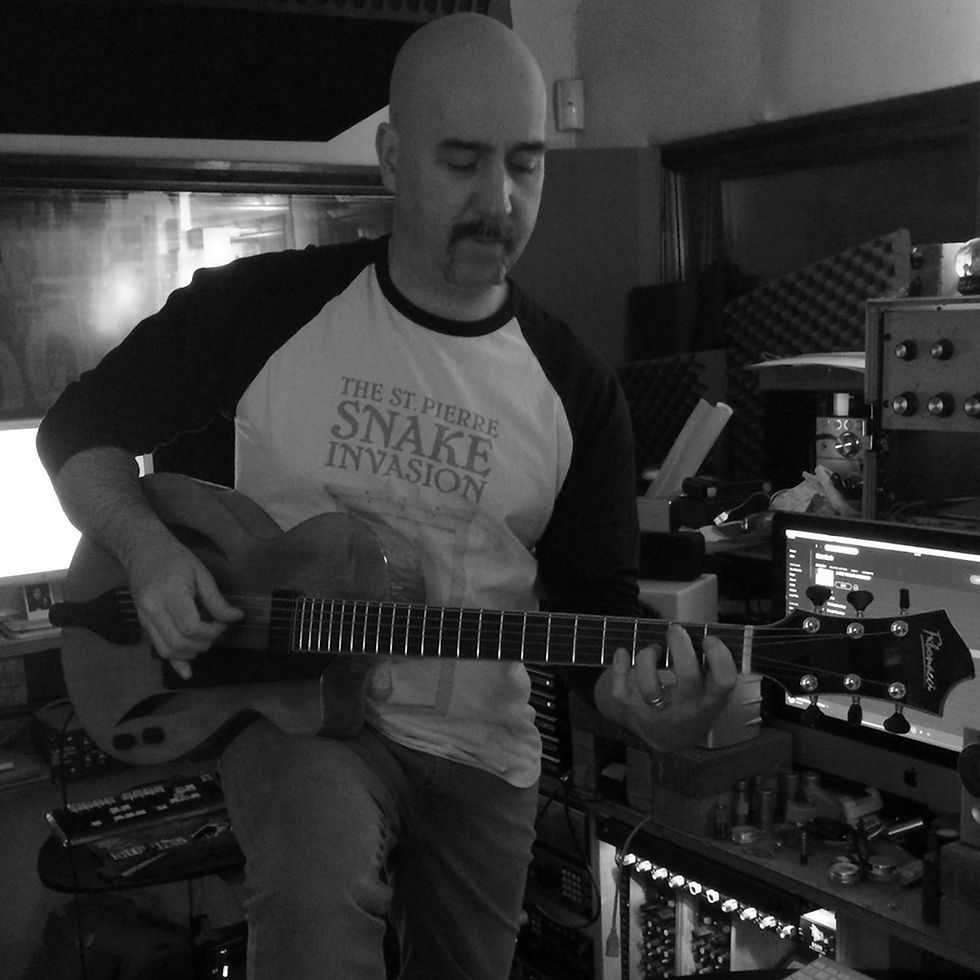
They are superb for many genres, but not for every job. That distinction matters. If the brief calls for dense high-gain distortion, relentless sustain and absolute resistance to feedback, a solid-body guitar will normally be the more efficient tool. An archtop can be made to work, but forcing an instrument outside its natural strengths rarely produces the finest result.
Where archtops excel is in recordings that benefit from clarity, warmth and dynamic range. Traditional and modern jazz are obvious homes, yet their usefulness extends further. They can add an elegant, dry-edged rhythm sound to soul and R&B; bring percussive definition to a blues arrangement; or sit beside piano, double bass and drums without competing for the same sonic space.
They are also remarkably effective in sparse productions. A solo guitar recording reveals every aspect of an instrument: intonation, sustain, fretwork, unwanted noise and the evenness of the register. A finely built archtop, properly set up, has the balance required for that level of exposure. The lowest notes should be clear rather than congested, while the upper register needs substance without becoming brittle.
In a modern pop mix, the archtop is often best used with intention rather than volume. A short chord figure, a melodic response to the vocal, or a clean octave passage can provide contrast against synthesised textures and compressed drums. It may not dominate the arrangement, but it can give it a sense of scale and craftsmanship.
The pickup is only part of the sound

Players sometimes assess an archtop for recording solely by its pickup specification. The pickup matters greatly, but it is not the whole story. On an acoustic archtop, the relationship between the pickup and the vibrating structure is fundamental.
A floating neck pickup usually preserves more of the guitar's acoustic character. It can deliver open, airy lows and an articulate top end, making it a compelling choice for traditional jazz comping, chord melody and intimate clean recording. Because the top is left relatively free to vibrate, the guitar may sound more responsive in the room as well as through the amplifier.
A mounted pickup can offer a stronger, more immediate electrical signal with additional midrange weight. For players moving between jazz, blues and more contemporary amplified work, this can be a highly practical balance. The important question is not whether one format is fashionable, but whether its voice suits the role the guitar must play.
Pickup height, pole-piece balance and the value of the volume and tone controls all deserve attention before recording begins. Small adjustments can change the way the guitar occupies a mix. A pickup set too close to the strings may sound forceful but can reduce openness and affect sustain. Set too low, it may lose authority. The right setting is usually found by listening through the recording chain, not only in the room.
Amplifier, microphone and room choices

An archtop rarely needs excessive processing to sound convincing. A quiet, responsive valve amplifier set clean or just at the edge of compression is often enough. The goal is to retain the separation of the chords and the natural movement of the player's hands.
A close microphone on the speaker captures focus and consistency. Moving it slightly away from the centre of the cone can soften the upper-mid emphasis, while a position nearer the edge often brings a warmer balance. A second microphone placed further back can add room depth, though this must be managed carefully if the arrangement is busy.
Recording the amplifier in a controlled room is generally more revealing than relying exclusively on a direct signal. That said, a direct or line-level track can be useful as insurance. It allows later experimentation with re-amplification, provided the original performance is strong and the guitar was captured cleanly.
If you choose to record the acoustic sound of the instrument as well as the amplifier, keep expectations realistic. The acoustic microphone will not usually provide the finished electric tone on its own. Instead, it may add transient detail, body and a sense of physical presence when blended very subtly. Phase alignment is essential. If the two signals are not working together, the combined sound can lose low end and become oddly unfocused.
Managing feedback without losing character

Feedback is not a flaw in an archtop. It is a consequence of a responsive acoustic body interacting with amplified sound. In a studio, where levels can be controlled more carefully than on stage, it is usually manageable.
Start with sensible amplifier volume and position the guitar away from the loudspeaker. Avoid pointing the guitar's f-holes directly at the cabinet, and use headphones when recording overdubs if volume is becoming an issue. A modest reduction in bass or low-mid gain is often more musical than reaching immediately for heavy-handed filtering.
The player also has a role. Muting unused strings, controlling note length and understanding how body position affects resonance are part of professional archtop technique. A recording chain can only preserve what reaches it. Quiet hands and a confident touch matter as much as expensive microphones.
Build quality becomes audible under studio scrutiny

Recording is unforgiving in the most useful way. It reveals whether an instrument is properly made. Uneven fretwork, unstable tuning, inconsistent sustain and poorly balanced string response all become more apparent when the guitar is isolated and replayed repeatedly.
This is why serious recording players should look beyond decorative appointments. The quality of the carve, the seasoning and selection of the woods, the neck joint, the accuracy of the fretwork and the final setup determine whether an archtop remains composed under the microphone. Fine materials alone do not guarantee a fine recording instrument. They must be shaped, assembled and voiced with judgement.
At Fibonacci Guitars, real-world recording evaluation forms part of the development process because an archtop must be judged not only by its appearance or specification, but by what it contributes when the red light is on. A properly voiced instrument should offer a broad usable range before an engineer reaches for corrective equalisation.
Give the instrument a role, then record the performance

The finest archtop recordings are rarely created by chasing a generic ‘jazz guitar’ sound. Decide whether the part needs warmth, rhythmic definition, lyrical sustain or a lightly percussive edge. Select strings, pickup settings, amplifier level and microphone placement around that purpose.
An archtop will not disguise an uncertain performance, nor should it. Its sensitivity is precisely what makes it valuable. Give it a considered arrangement, a quiet recording environment and a player willing to work with its response, and it can leave a track with the kind of depth listeners may not immediately identify, but will unquestionably feel.


Comments